Vacuum Casting Service
Custom urethane parts from prototyping to small production runs. ±0.2mm tolerance. 5 days delivery.

Yongshuo Urethane Casting Service
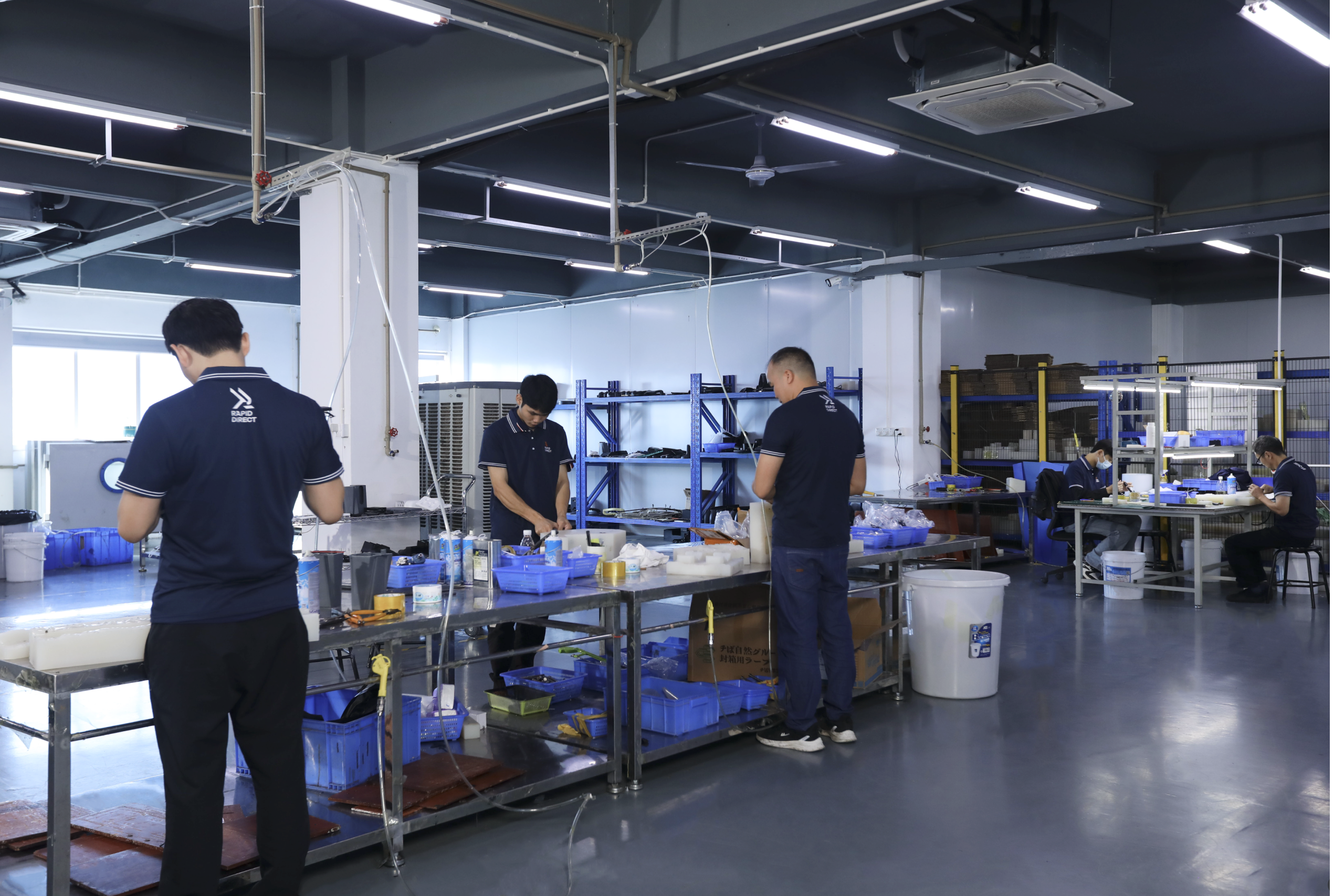
Yongshuo’s urethane casting services support every stage from prototype testing, function validation and market testing phases. Operating from ISO-certified facilities and vetted manufacturing partners, we ensure you stay on sechedule and within budget. We cast urethane parts with tolerances down to ±0.20mm and lead times as short as 5 days. A variety of polyurethane and silicone materials, surface finishes, and color options are available for applications in automotive, electronics, and consumer products.
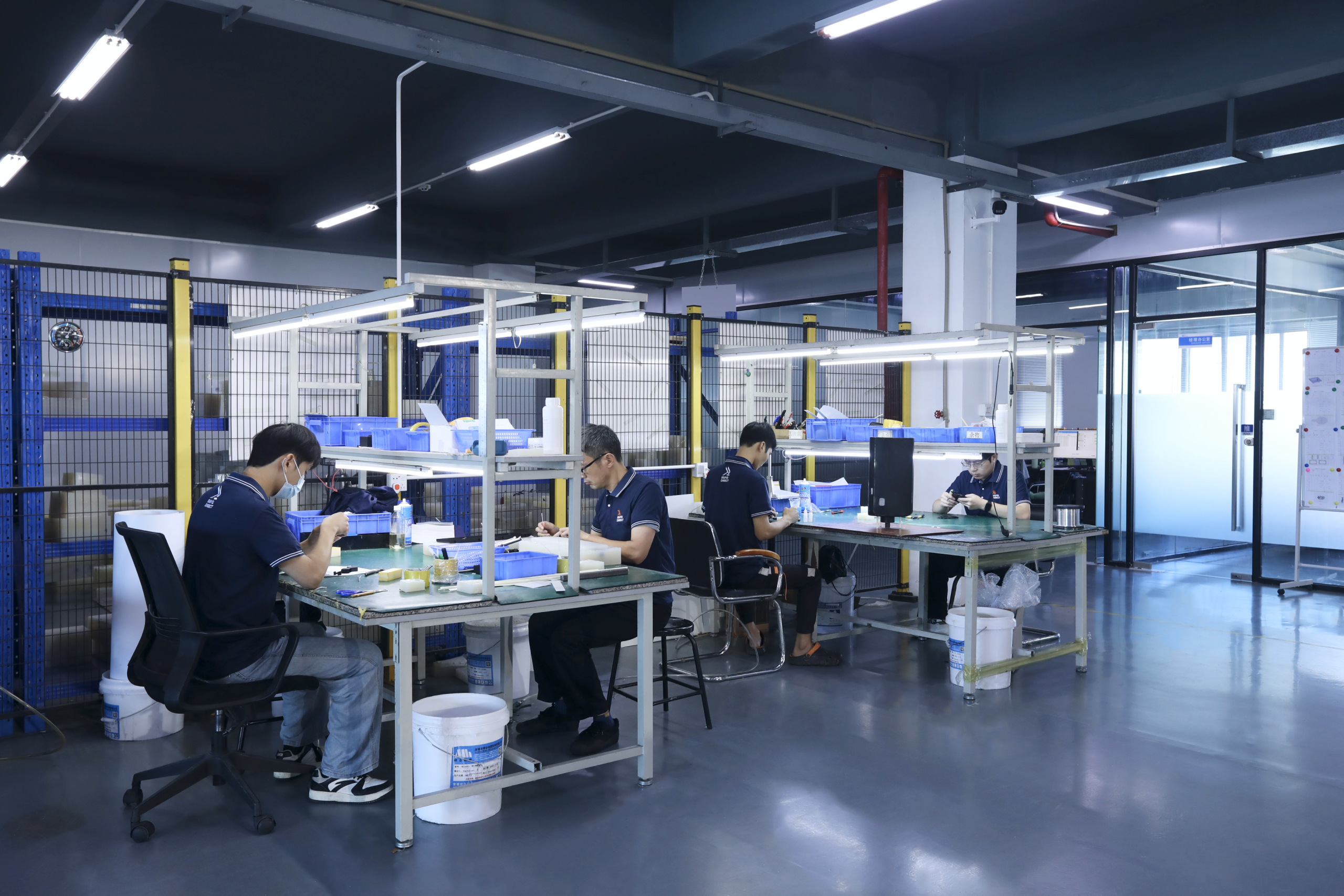
Yongshuo Vacuum Casting Capabilities
| Details | |
|---|---|
| Tolerance | At Yongshuo, replicated casts follow ISO-2768-CL standards. Local tolerances can reach ±0.15mm, and small holes can achieve up to ±0.10mm precision.For nylon-based cast parts, we also align with ISO 2768-d tolerance specifications. |
| Color and Finishing | Supports a wide range of colors, transparency levels, and surface finishes. |
| Maximum Part Size | Up to 2.3 × 1.3 × 0.6 meters. |
| Daily Capacity | Up to 200 pieces per day. |
| Lead Time | Lead time varies based on part complexity and order volume. The full process includes prototype making, silicone mold creation, casting, and finishing. Simple single parts can ship in under 5 days, but larger batches may require more time depending on the project. |
From Prototyping to Production
Moving from initial concepts to market-ready products, Yongshuo’s vacuum casting services offer cost-effective solutions for your product development.

Concept Validation
Quickly turn early designs into real parts using 3D printing. Great for checking size, shape, and surface finish before moving forward. No need for hard tooling at this stage.

Prototyping
Make 1 to 100 functional vacuum cast prototypes for testing fit, strength, and usability. Materials and tolerances are close to final production.

Low Volume Production
Perfect for low-volume runs, product launches, or bridge production. Cast 20 to 200+ parts with consistent quality and quick turnaround—skip the wait for injection molds.

Mass Production
For larger production needs, we offer injection molding to create high-volume plastic parts with consistent quality and lower unit cost.
Vacuum Casting Materials, Finish, Colors
Choose from silicone and polyurethane casting materials that match your final product’s look, feeel, and function below. Contact our team for custom material requirements.
Cast Silicone Materials

Shore A 10-60 Silicone
Commonly used for vacuum casting molds. It’s soft enough to handle complex part shapes but tough enough to last through multiple castings without tearing or warping.
- Shore A 10-20: Very soft, flexible
- Shore A 30-40: Balanced
- Shore A 50-60: Stiffer molds for rigid parts
RTV-2 Tine-cure Solicone
If you need a lower cost and short-term solution (e.g., under 20 shots), the material is the best choice.
RTV-2 Platinum-cure Silicone
For higher detail, longer mold life, or if you’re casting skin-safe or food-contact parts.
Cast Urethane Materials
Soft Rubber
For flexible parts, soft-tpuch surfaces, and cushioning.
- TPU 8400:Tough, rubbery. For impact-resistant or flexible housings.
- Transparent soft rubber T0387: Clear and soft. For protective covers or flexble display components.
- Silicone: Handles high temperatures and stys flexible over time.
- Food grade silicone: Safe for direct contant with food or skin. Used in kitchenware and medical samples.
ABS-like
Good all-around plastics for general use—great for housings, brackets, and structural parts.
- ABS-like 8150: Standard ABS alternative, easy to work with, solid strength.
- ABS PX2017/PX223: Higher heat resistance, suited for parts that get warm during use.
- ABS Hei-Cast 8263: Flame-retardant material for electronics or safety-critical parts.
PMMA-like
Clear, smooth plastic for cosmetic or display parts.
- PMMA-like 1940:Similar to acrylic. High clarity and a clean, glossy finish.
PC-like
Tougher than ABS. Works well for stronger parts or things that need to take some impact.
- PX 510 / Hei-Cast J0005: Strong, rigid, and holds up under stress or heat.
Nylon-like
Slightly flexible with good wear resistance.
- Z2910: Best for light mechanical parts like gears or bushings.
PP-like
Lightweight and flexible, used for parts that bend or snap together.
- 5690 / Hei-Cast 8550: Resists fatigue and chemicals. Great for clips, hinges, or fluid parts.
POM-like
Hard and precise. Good for moving parts or mechanical fits.
- PX225:Low friction, stiff, and holds shape well.
PE-like
Soft and chemically resistant.
- DPI PX100: Used for simple, flexible parts like caps, plugs, or covers.
ABS+PC-like
A balance of toughness and clean appearance. Combines the strength of PC with the smooth finish of ABS—great for tough housings.
Most polyurethanes are clear or translucent, so color can be added directly before casting using pigments or dyes. These materials blend seamlessly, producing consistent, fade-ressistant colors post-curing. Below are the standard Yongshuo urethane color options.

Standard Black
Deep, opaque black finish offers good coverage and professional look for prototypes, housings, and functional parts needing classic appearance.

Pure White
Clean, bright white color gives sharp contrast and clean appearance, good for medical devices, consumer products, and design validation models.
Transparent
Clear material keeps optical clarity while offering durability, works well for lenses, light guides, fluid containers, and visual inspection parts.
Custom
Full color matching options allow exact brand color reproduction, special effects, and unique finishes made for specific project needs.
Note: Color options may vary depending on the surface finish. Custom colors can be achieved through pigment blending or painting. For large batches, painting is recommended to avoid color variation. UV printing is used for multi-color designs, while vacuum plating is required for metallic finishes.
Yongshuo offers SPI and VDI surface textures for vacuum casting. Mold texture is set from the start and can’t be changed later. For painted parts, please confirm gloss or matte before production.
SPI finishes rely on sanding or polishing the mold to create smooth surfacees ranging from high gloss to matte.You can choose it for custom urethane parts that need a clearn or polished look.
Certified Quality Control and Testing

Dimensional Testing
Dimensional testing uses CMM, digital calipers, height gauges, and micrometers to verify tolerances, geometric positioning, hole diameters, wall thickness, and fit dimensions.
Visual Inspection
Visual inspection employs magnifiers, roughness testers, and color charts to detect surface defects including bubbles, scratches, dents while ensuring color consistency and surface finish quality.
Paint Adhesion Testing
Paint adhesion testing validates coating bond strength, durability, and thickness uniformity for all finishing requirements.
Assembly & Fit Validation
Verifies cast parts’ mating compatibility and functional fit with paired components. Conducts precision fit tests to ensure seamless groove, joint and structure matching, meeting assembly requirements and eliminating fit gaps or interference.
Why Choose Yongshuo Urethane Casting Services

Guaranteed Precision & Quality
Achieve tight tolerances from ±0.2 to 0.8mm. Excellent surface finishes. Expert mold-making ensures consistent quality.
Comprehensive Material Solutions
Choose from soft, rigid, clear, and flame-retardant polyurethane materials. We help you pick the right material, finish and color. Support custom needs.
Rapid Turnaround
Upload your design files to start. Approve samples with adjustments, them move to production.
Simple parts ready in 5 days through our cast urethane process.
What's Urethane Casting Process?
Urethane casting, also called vacuum casting, draws liquid urethane into a mold to create plastic and rubber parts with intricate geometries. Here are the 3 steps.
The master pattern replicates the final casting parts, determining product quality. Create it via CNC machining or 3D printing. 3D printing is faster and cheaper, but CNC offers tighter tolerances. Design considerations include draft angles and wall thickness.
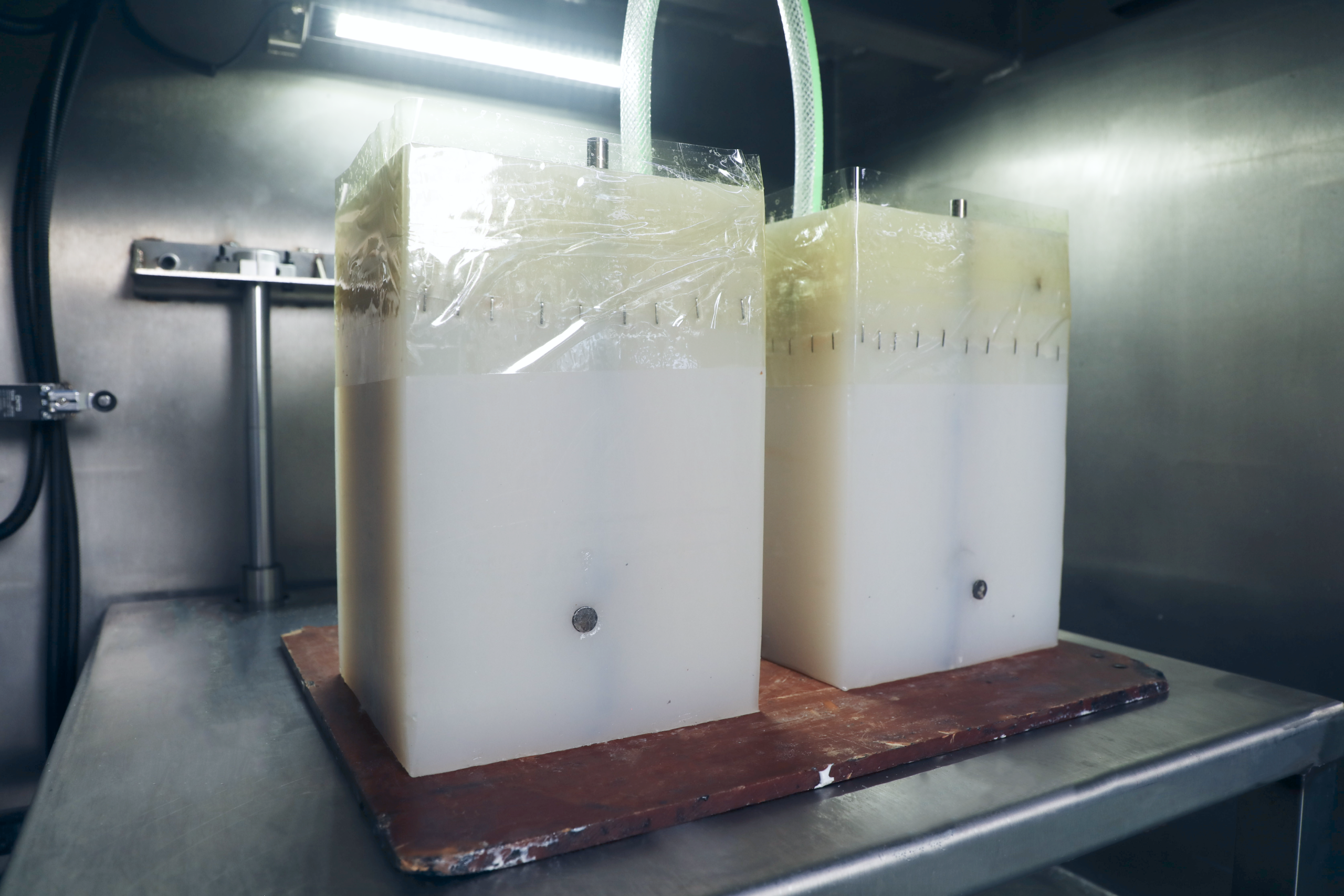
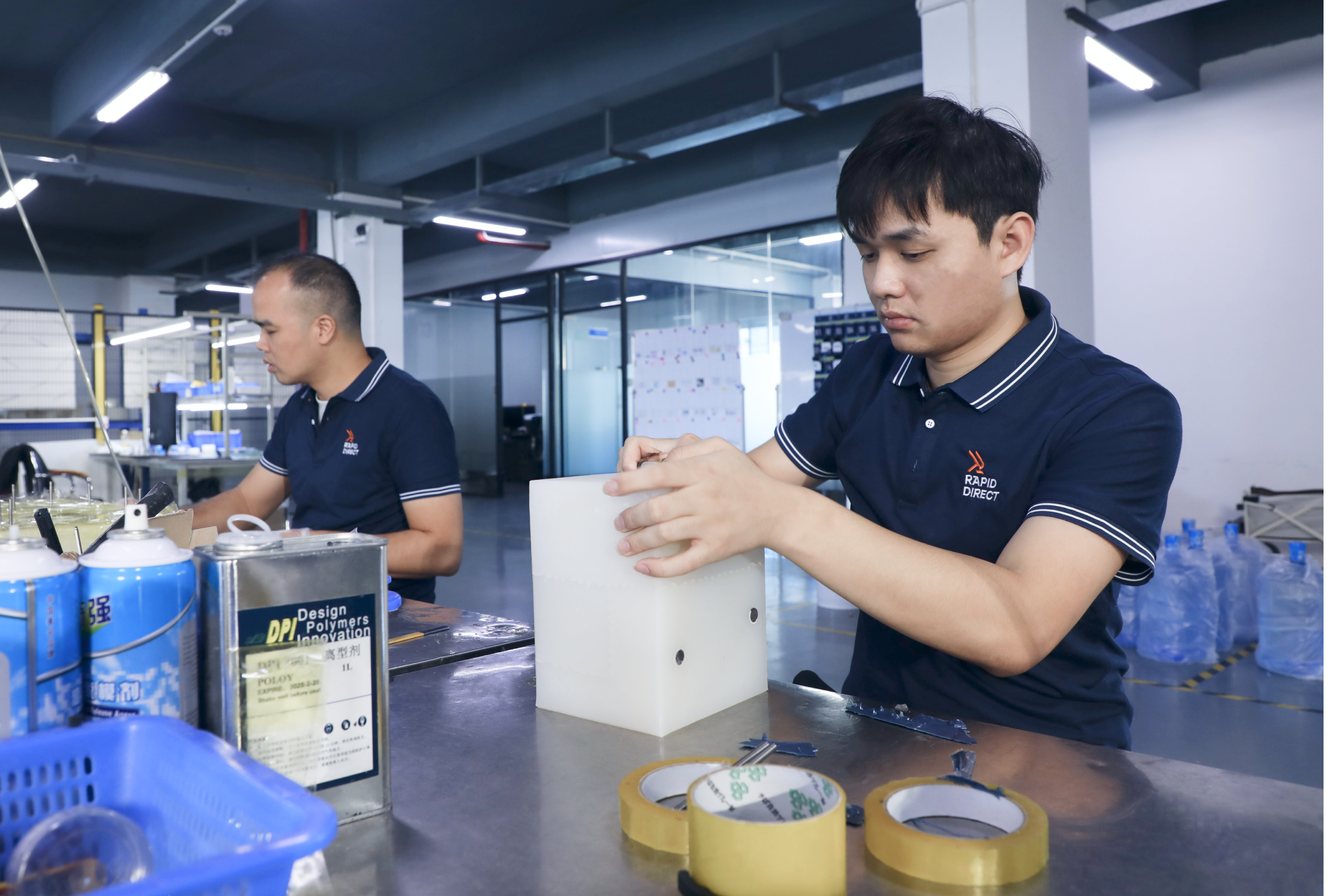
Pour liquid silicone rubber around the master pattern. Most cure in ovens, while RTV molds cure at room temperature. After a few hours, cut along the parting line to remove the master, creating a silicone mold ready for casting.
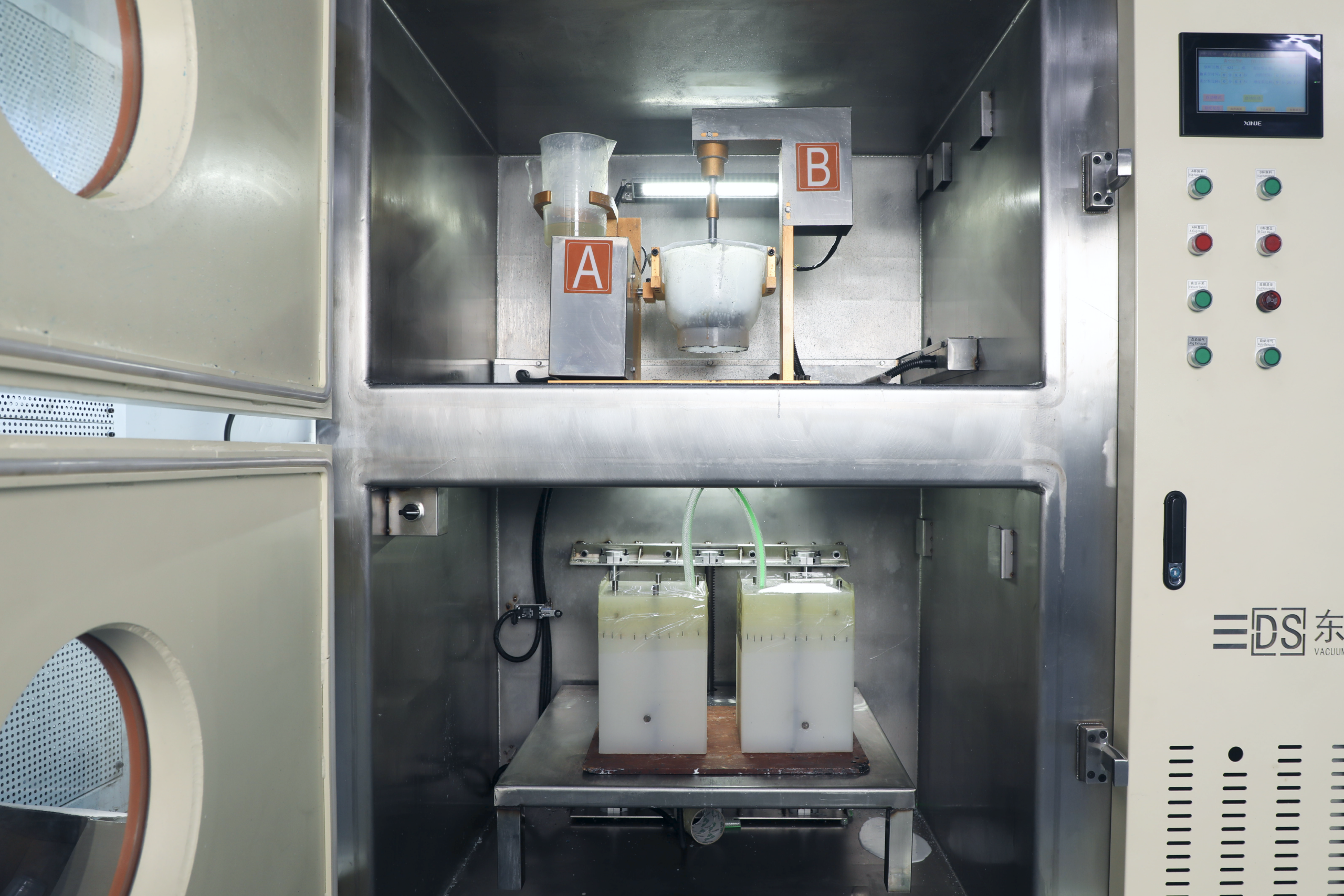
Mix liquid polyurethane resin and pour into molds under vacuum to prevent air bubbles and defects. Curing takes 30 minutes to 2 hours depending on material and size. One mold produces 1-10 copies daily. Cast urethane parts may require post-processing.

Vacuum Casting Applications Across Industries
Urethane casting is good for prototypes and small production runs where injection mold tooling isn’t practical. Cast part perform well and can be used for testing or as finished products.
Interior trim panels, dashboard components, and functional prototypes for fit-and-finish testing.
Biocompatible device housings, surgical instrument prototypes, and diagnostic equpment.
Product enclosures, keypads, and decorative elements for smarphones, tablets, and home appliances.
Lightweight interior panels, control housings, and specialized components requiring flame-retardant properties.
Machine guards, control panels, and custom tooling fixtures.

3D Printing vs Vacuum Casting vs Injection Molding
| VS | 3D Printing | Vacuum Molding | Injection Molding |
|---|---|---|---|
| Tooling Cost | $0 (no tooling) | $500-2,000 (silicone molds) | $5,000-50,000+ (aluminum or steel molds) |
| Lead Time | 1-3 days | 5-15 days | 4-12 weeks |
| Part Quantity | 1-20 parts | 20-200 parts optimal | 1,000+ parts optimal |
| Tolerance | ±0.1-0.3mm | ±0.1-0.8mm | ±0.05-0.1mm |
| Surface Finish | Layer lines, requires post-processing | Smooth, minimal finishing | Superior, production-ready |
| Complex Geometry | Excellent, any shape | Handles undercuts, fine details | Limited by mold design |
| Material Options | Limited to print resins/filaments | Urethane varieties (flexible to rigid) | Wide range of thermoplastics |
| Design Changes | Instant, no cost penalty | Easy and cost-effective | Expensive mold modifications |
When to Choose Vacuum Casting?
Not sure if it’s the right fit? Check out our video for a quick guide.
Surface Roughness
for Vacuum Cast Mold
We apply SPI finish grades to vacuum casting, ensuring that each part achieves specific surface textures from smooth and glossy to detailed matte finishes.

SPI A
| Finishing Look | High Gloss |
|---|---|
| SPI Finish Grades | SPI A1, A2, A3 |
| Surface Roughness Ra (μm) | SPIA1: 0.012 to 0.025 SPIA2: 0.012 to 0.025 SPIA3: 0.05 to 0.10 |

SPI B
| Finishing Look | Semi Gloss |
|---|---|
| SPI Finish Grades | SPI B1, B2, B3 |
| Surface Roughness Ra (μm) | SPI B1: 0.05 to 0.10 SPI B2: 0.10 to 0.15 SPI B3: 0.28 to 0.32 |
SPI C
| Finishing Look | Low Gloss |
|---|---|
| SPI Finish Grades | SPI C1, C2, C3 |
| Surface Roughness Ra (μm) | SPI C1: 0.35 to 0.40 SPI C2: 0.45 to 0.55 SPI C3: 0.63 to 0.70 |
SPI D
| Finishing Look | Matte |
|---|---|
| SPI Finish Grades | SPI D1, D2, D3 |
| Surface Roughness Ra (μm) | SPI D1: 0.80 to 1.00 SPI D2: 1.00 to 2.80 SPI D3: 3.20 to 18.0 |
FAQs
Vacuum cast parts typically achieve tolerances of ±0.1–0.3mm, depending on part geometry and size.
Urethane cast parts follow ISO 2768-CL standard (±0.1~0.8mm), with nylon-based parts aligning to ISO 2768-d tolerance specifications.
The process offers excellent detail and surface finish, suitable for functional prototypes and end-use parts.
Urethane casting is a cost-efficient option for runs of 20 to 200+ parts. It avoids the high cost and lead time of hard tooling. Suitable for short runs, bridge production, or early market test.
Vacuum casting offers better surface finish, material strength, and consistency for low-volume production. 3D printing is faster for one-off prototypes but may fall short in appearance or mechanical properties.
Silicone molds typically last for 15–25 castings, depending on part complexity and material used. They’re best for small batches before wear affects precision.
In vacuum casting, the silicone mold must stay firmly in place to produce accurate parts. This is done using a two-part mold secured inside a rigid frame, often made of aluminum or durable plastic.
The frame supports the mold, keeps it from warping under vacuum, and ensures the two halves align correctly. It also helps prevent resin leaks and maintains a tight seal during casting.
Before casting, the mold is placed in the frame and clamped tightly. The vacuum then pulls the resin into every detail, reducing air bubbles and producing clean, precise parts.
Vacuum Casting Resources


What’s Vacuum Casting? Process, Design, and Applications
