We Now Offer Full Electronics Manufacturing Services | PCB & PCBALearn More →

Chemical Etching Services

Custom photochemical etching for intricate, thin metal components—from rapid prototypes to repeat production. Create fine holes, slots, channels, meshes, shims, and complex profiles without hard tooling.
  • Burr-free and stress-free edge quality
  • Through-etch, half-etch, step-etch, and fold lines
  • Wide metal selection with engineering review

Start a New Chemical Etching Project

Circular metal filter with perforated pattern
Metal plate with parallel grooves and mounting holes
Metallic mesh filter with rectangular shape
STEP | STP | SLDPRT | IPT | PRT | SAT files
  All uploads are secure and confidential.
20,000+ customers in over 120 countries & regions trust Yongshuo to manufacture their custom parts
Chemical Etching at Yongshuo

Complex Metal Parts, Simplified

Yongshuo’s chemical etching services use patterned photoresist and controlled etchants to remove metal selectively. The process is also known as photochemical etching, photo etching, photochemical machining, or chemical milling.

Because this precision etching process applies no cutting force and creates no heat-affected zone, it is ideal for thin and delicate components where flatness, fatigue behavior, edge quality, and intricate geometry matter. Yongshuo provides these metal etching services for prototypes and repeat production, while digital artwork makes revisions faster and less expensive than modifying a stamping die.

A person in white gloves holds a sheet of metal with intricate cutouts and patterns.

Precision Chemical Etching Capabilities

Plan prototypes and production parts around through-etched profiles, controlled-depth features, fine apertures, and secondary operations. Final capability depends on alloy, thickness, geometry, sheet size, and inspection level.

Circular metal plate with perforated pattern and Chinese characters

01

Through Etching

Cut complete outlines, holes, slots, meshes, apertures, and dense repeated patterns through thin metal sheet.

Metal plate with etched parallel lines and cutouts

02

Half & Step Etching

Create bend lines, channels, recessed areas, identification marks, countersinks, and multi-level features.

Metal sheet with fine grooves next to a ruler.

03

Fine Features

Design holes and webs close to material thickness with center-to-center control suited to precision components.

Stainless steel circular parts with radial slots, printed on a sheet with technical specifications.

04

Digital Tooling

Revise CAD artwork without rebuilding hard tooling, reducing iteration cost for prototypes and product changes.

Sheet with eight identical circular metal parts cut out, each with radial slots.

05

Tabbed or Singulated

Deliver parts retained in sheets for handling, or separate them for downstream forming, plating, and assembly.

Metal tube with circular perforations

06

Prototype to Production

Use the same photolithographic method for development quantities, low-volume production, and repeat batches.

Printed circuit board layout with circular patterns and specifications
Controlled Manufacturing

A Process Built Around Repeatability

Etching performance comes from the whole process—not only the etchant. Material verification, cleaning, resist adhesion, registration, imaging, chemistry, spray conditions, dimensional checks, and final inspection all influence the result.

0.0008–0.100 in

Thickness range

1.1× thickness

Minimum hole

25–75%

typical partial-depth range

Why Choose Yongshuo

Manufacturing Support Beyond the Etched Blank

/01
Engineering-led DFM

Review material, thickness, hole-to-web relationships, tolerances, tabs, nesting, inspection, and downstream handling before production.

/02
Integrated manufacturing

Coordinate etching with forming, laser cutting, machining, plating, heat treatment, welding, assembly, and custom packaging.

/03
Global project delivery

Use one project team for quoting, revision control, production tracking, documentation, and delivery from prototype through repeat orders.

Chemical Etching Tolerances and Design Guidelines

The following tables provide practical reference values for preliminary chemical-etching design and DFM evaluation. Submit the final drawing to Yongshuo for engineering review and project-specific confirmation.

Etched Dimensional Tolerance by Thickness

Material thicknessEmpirical tolerance
0.001 in±0.0008 in
0.002 in±0.0016 in
0.005 in±0.0025 in
0.010 in±0.0033 in
0.015 in±0.0042 in
0.020 in±0.0050 in
0.040 inEngineering review required

Minimum holes or slots

Material thicknessDiameter or width
0.001–0.005 in materialAt least material thickness; minimum 0.003 in slot width and 0.005 in hole diameter
0.005 in material or overMinimum 1.1 × material thickness

Minimum web or finger

Material thicknessSpace between holes
Less than 0.005 in materialAt least material thickness; minimum 0.003 in
Over 0.005 in materialMinimum 1.0 × material thickness

Center-to-center tolerance

C/C dimension Attainable tolerance
1.01 in or less±0.001 in
1.01–3.0 in±0.003 in
3.0–6.0 in±0.005 in
6.0–10.0 in±0.007 in
Partial depth features

Half Etch and Step Etch

Yongshuo chemical etching can create controlled-depth features by selectively removing approximately 25%–75% of the sheet thickness. Typical applications include channels, fold lines, identification marks, recessed areas, and stepped profiles.

25% 50% 75%

DFM Details to Confirm On Every Drawing

  • Material grade, temper, and thickness
  • Critical dimensions and datum strategy
  • Minimum hole, slot, web, and pitch
  • Through-etch versus partial-depth features
  • Inside corner and edge-profile expectations
  • Tabs, tie points, or individual part delivery
  • Sheet size, nesting, and grain direction
  • Surface finish and cosmetic requirements
  • Sampling, 100% inspection, FAI, or PPAP
  • Packaging, cleanliness, and traceability

Aluminium


Aluminum combines low weight, corrosion resistance, and good processability, making it a practical choice for your metal parts.

Color:
Silver  
Subtypes: Aluminum 5052, Aluminum 6061, Aluminum 5083, Aluminum 1060, Other Aluminum
Price: $$
Lead Time About 5 business days

Brass


Brass offers good corrosion resistance and a distinctive gold-toned appearance. It is commonly selected for precision-etched decorative parts, nameplates, contacts, and fine-detail components.

Color:
Golden-yellow  
Subtypes: Brass C27200, Brass C28000
Price: $$$
Lead Time: About 6 business days

Copper


Copper provides excellent electrical and thermal conductivity together with good ductility. It is well suited to precision-etched electrical contacts, terminals, shielding parts, and heat-transfer components.

Color:
Red-orange  
Subtypes: Oxygen-Free Copper Sheet TU1, Oxygen-Free Copper Sheet TU2, Electrolytic Tough Pitch Copper, Beryllium copper, Phosphor bronze, Other Copper
Price: $$$$
Lead Time: About 6 business days

Steel


Steel is strong, durable, and cost-effective for precision metal etching. The available grades cover structural, galvanized, cold-rolled, hot-rolled, and spring-steel components.

Color:
Silver gray  
Subtypes: Low Carbon Steel ST37 / Q235 / A36, Hot-dip Galvanized Steel Sheet (SGCC), Electro-galvanized Steel Sheet (SECC), Cold-Rolled Sheet SPCC, Hot-Rolled Low Carbon Steel (SPHC), Spring Steel 1566 / 65Mn, Other Steel
Price: $
Lead Time: About 5 business days

Stainless Steel


Stainless steel combines corrosion resistance, strength, and an easy-to-clean surface, making it widely used for precision-etched screens, filters, shims, nameplates, and spring components.

Color:
Silver grey  
Subtypes: Stainless Steel SUS301 1/2H, Stainless Steel SUS301 3/4H (not suitable for bending), Stainless Steel SUS304, Stainless Steel SUS316L, Stainless Steel SUS430, Stainless Steel SUS630, Single-sided Mirror Stainless Steel 304, Double-sided Mirror Stainless Steel 304, Other Stainless Steel
Price: $$
Lead Time: About 5 business days

Titanium Alloy


Titanium alloy offers a high strength-to-weight ratio and good corrosion resistance for specialized precision-etched components. TA1 and TA2 are available alongside the higher-strength TC4 grade.

Color:
Silver gray  
Subtypes Titanium Alloy TA1, Titanium Alloy TA2, Titanium Alloy TC4 (not easy to bend)
Price $$$$

Silver


Fine silver sheet combines excellent conductivity with a bright appearance for precision-etched electrical contacts, decorative details, and specialized components.

Color:
Silver  
Subtypes Fine Silver Sheet
Price $$$$$

Nickel


Pure nickel sheet offers corrosion resistance and stable performance for precision-etched chemical, electrical, and high-temperature components.

Color:
Silver gray  
Subtypes Pure Nickel
Price $$$$

The 9-step Photochemical Etching Process

Follow each stage from material selection and photoresist imaging through controlled etching, inspection, finishing, and delivery—with the process controls engineers need to consider when sourcing precision parts.

Three rolls of silver, copper, and brass metal with matching flat sheets and strips on a table.

01

Metal Selection

Choose the alloy, temper, thickness, sheet size, grain direction, and delivery format around the required electrical, thermal, mechanical, and corrosion performance.

Control point: Confirm certificates, temper, surface condition, and lot traceability before release.

Robotic arm with suction gripper lifting a wet metal sheet from a roller conveyor.

02

Surface Preparation

Acid or alkaline cleaning removes oil, oxide, and other contamination so the photoresist bonds evenly to both sides of the sheet.

Control point: Cleaning chemistry and rinse quality are matched to the selected metal.

Worker in safety gloves monitoring a metal sheet moving through a conveyor cleaning machine with rollers and liquid tanks.

03

Precision Cleaning

The sheet passes through controlled conveyor cleaning and rinsing stages to create a repeatable surface before imaging.

Control point: Surface cleanliness is checked before lamination.

Worker in white gloves guiding a metal sheet through rollers to apply blue photo resist film.

04

Photoresist Lamination

A UV-sensitive dry-film photoresist is laminated to the prepared sheet, producing a uniform protective layer for accurate image transfer.

Control point: Temperature, pressure, speed, and coating adhesion are controlled.

A person operating a UV printer with a digital control panel.

05

Digital Imaging / Printing

The CAD profile is transferred to both sides of the coated metal using aligned phototools or digital direct imaging.

Control point: Top-to-bottom registration is critical for holes, slots, and edge geometry.

Blue substrate with circular patterns being processed by a machine with green and white rollers.

06

Development

Unexposed resist is removed to reveal the exact metal areas that must be dissolved, while the remaining resist protects the finished geometry.

Control point: Line definition and resist integrity are verified before etching.

Hand wearing blue glove lifting a blue photoresist mask with circular patterns over a metal sheet with rusted rollers.

07

Chemical Etching

Controlled etchant dissolves exposed metal at a known rate. Through-etching, half-etching, fold lines, channels, and identification marks can be created in the same operation.

Control point: Etchant concentration, temperature, spray pressure, dwell time, and online dimensions are monitored.

Technician operating optical inspection machine

08

Resist Strip & Inspection

The remaining photoresist is removed and parts are checked with optical and dimensional inspection appropriate to the drawing and risk level.

Control point: Options include batch inspection, 100% inspection, FAI/FAIR, and PPAP-level documentation.

Metal sheet with cut-out mechanical parts and the Yongshuo logo.

09

Finishing & Delivery

Parts are supplied tabbed in sheet form or singulated, then packed or routed to forming, plating, passivation, bonding, heat treatment, or assembly.

Control point: Final release confirms drawing revision, count, packaging, and required quality records.

Where Chemical Etching Creates an Advantage

Chemical etching services are most effective when thin metal, intricate geometry, burr-free edges, material-property preservation, and economical design changes matter more than removing large amounts of material.

Close-up of perforated metal sheet with circular and square cutouts
EMI / RFI Shielding

Shielding cans, gaskets, lids, carriers, and fine conductive meshes.

Discuss this application →

Metallic perforated cylindrical screen
Filters, Screens & Sieves

Fine holes, tapered apertures, high open area, and repeatable flow geometry.

Discuss this application →

Metal encoder disk with concentric slots and central hole
Encoder & Aperture Disks

Dense features, precise center-to-center location, and burr-free edges.

Discuss this application →

Circular metal disc with perforated pattern and holes around the edge
Medical Components

Surgical parts, meshes, shims, battery components, and precision masks.

Discuss this application →

Close-up of a metal bipolar plate with etched flow channels.
Fuel Cell & Bipolar Plates

Complex half-etched flow channels and repeatable plate patterns.

Discuss this application →

Circular metal component with spiral cutouts and mounting holes
Springs & Flexures

Stress-free production that preserves material hardness and fatigue behavior.

Discuss this application →

Metallic lead frames with intricate circuit patterns
Lead Frames & Contacts

Fine pitch, high repeatability, and economical design changes without hard tooling.

Discuss this application →

Metallic aerospace shims with hexagonal perforations and cutouts.
Aerospace Shims & Grilles

Lightweight, corrosion-resistant parts with intricate openings and profiles.

Discuss this application →

Chemical etching vs. laser cutting, stamping, and CNC

No process wins every part. Use the geometry, thickness, material, quantity, edge condition, tooling budget, and revision frequency to select the right route.

Decision FactorChemical EtchingLaser CuttingStampingCNC Machining
Best FitThin, intricate, flat metal partsProfiles in thin to thicker sheetStable, very high-volume partsThicker or 3D precision geometry
ToolingDigital artwork / low-cost phototoolDigital programHard die and press toolingCutting tools and fixtures
Edge conditionBurr-free; no HAZPossible HAZ / dross by processSheared edge and possible burr Tool marks and possible burr
Design changesFast artwork revisionFast program revisionDie modification may be costlyProgram and fixture changes
Complexity costMany features etched at onceCut length and pierces affect timeTool complexity affects investmentMore features increase cycle time

China Metal Etching Company

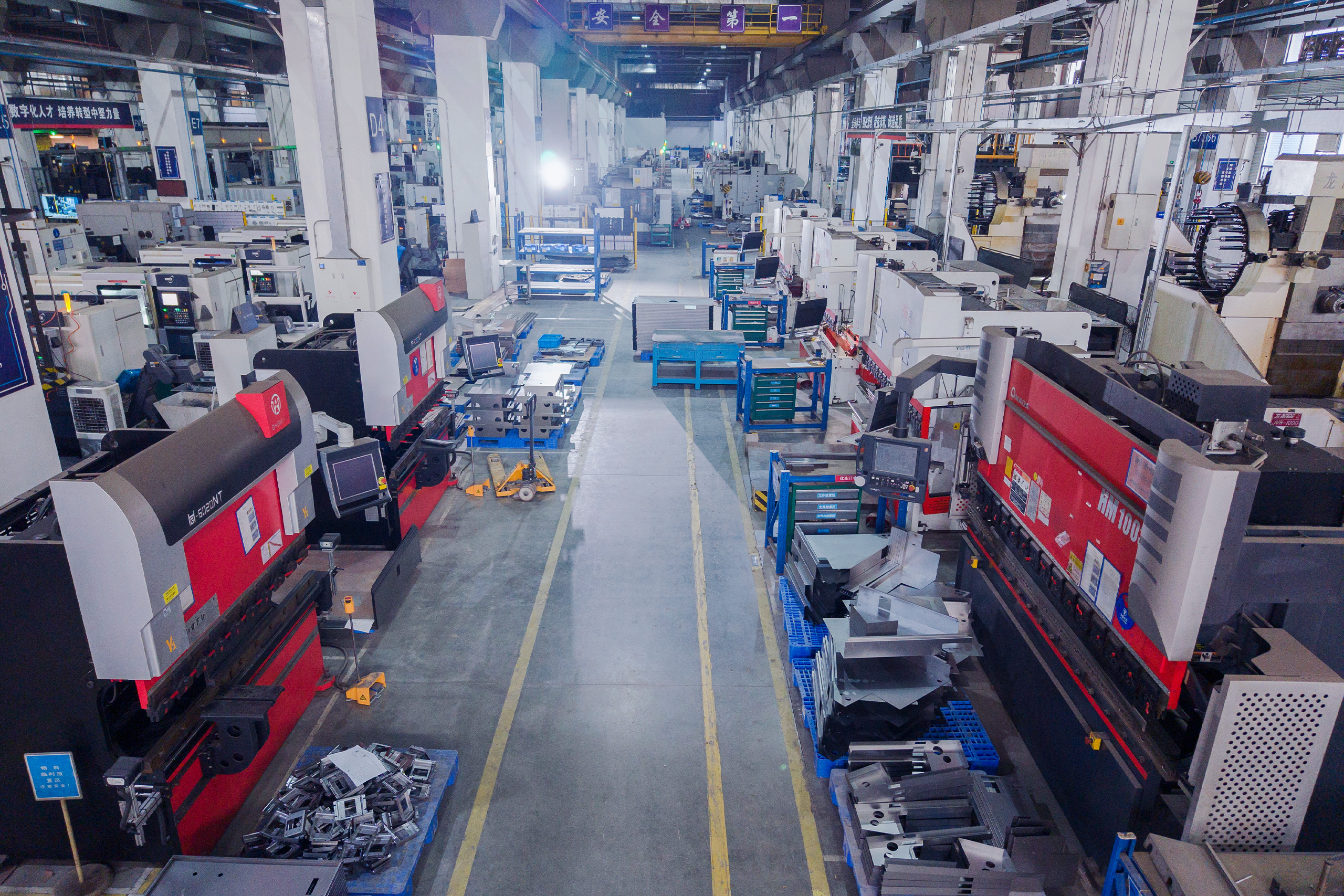
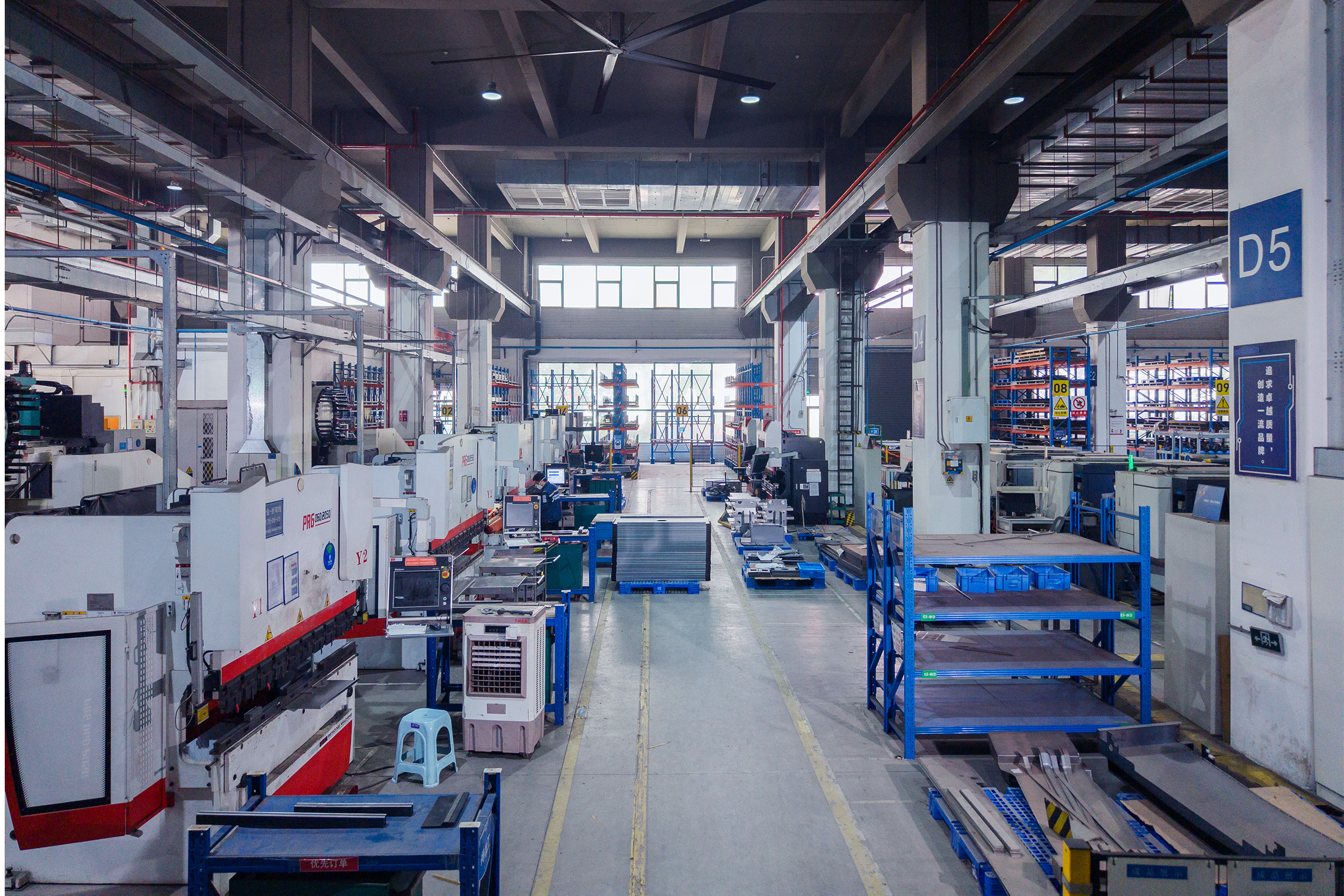
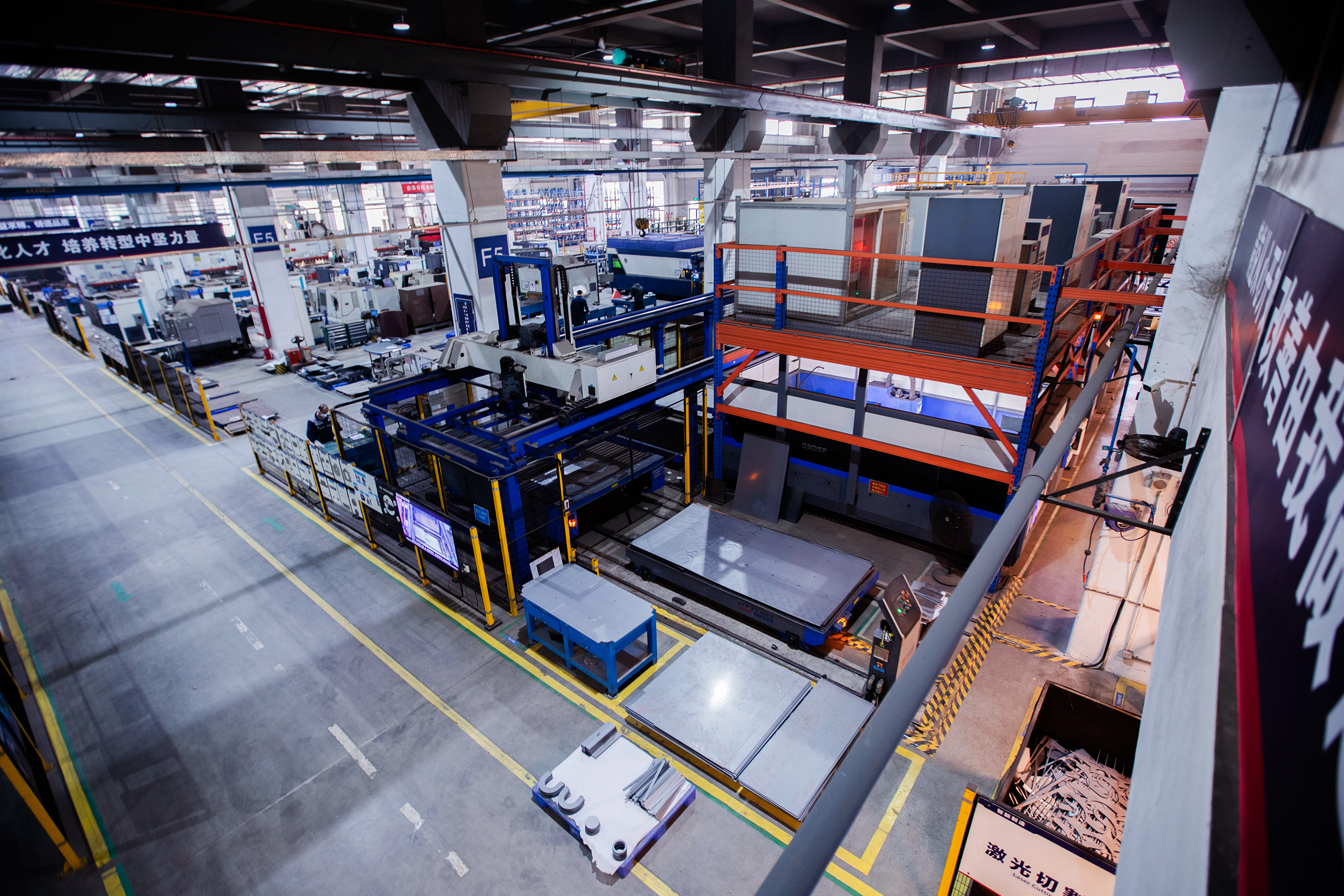
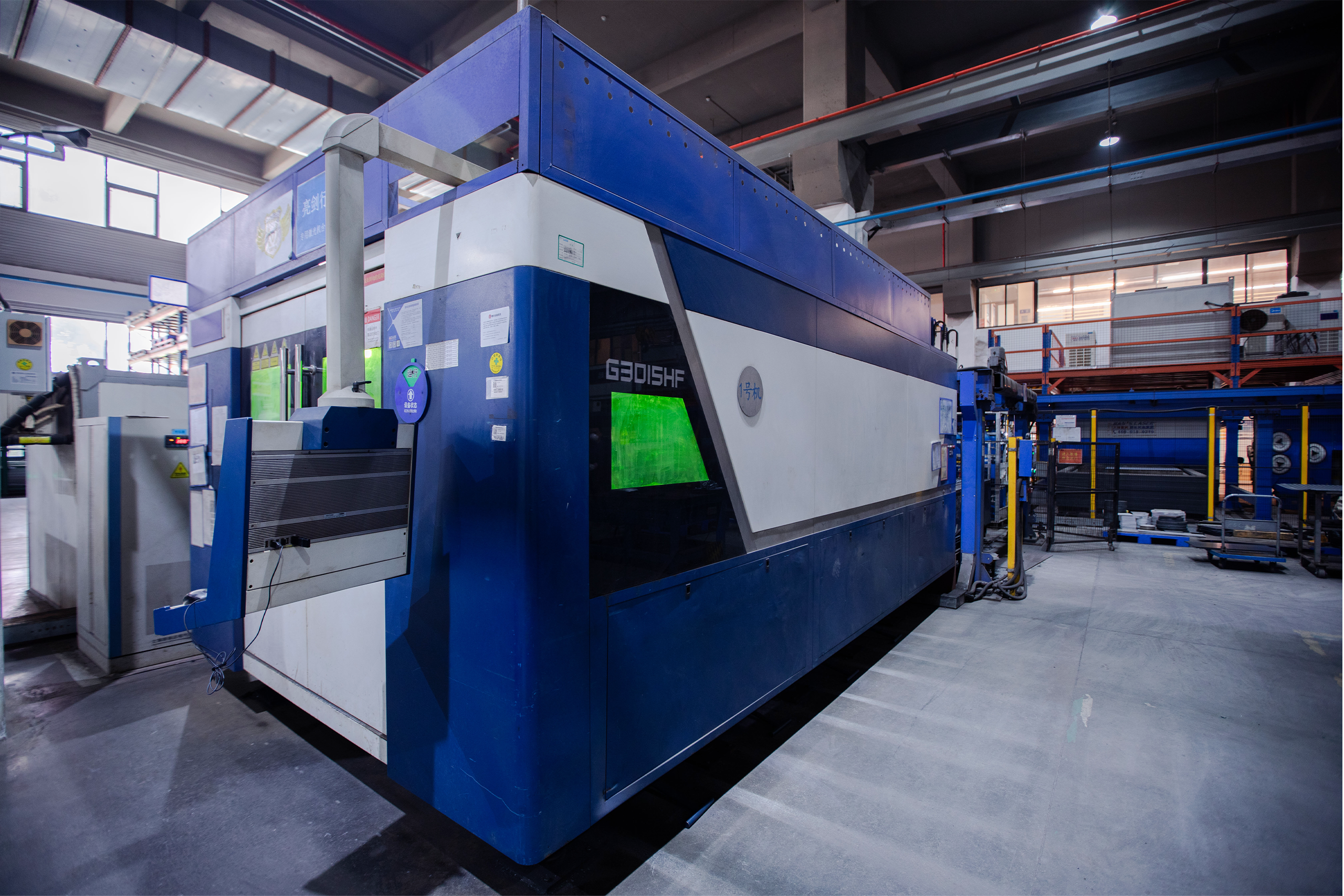
From single prototypes to high-volume production, Yongshuo’s factories deliver precision, speed, and reliability. Our 50+ advanced machines and complete supplier network handle every material, size, and complexity.

With ISO-certified quality and 20,000+ satisfied customers worldwide, we ensure your parts are made right, on time, every time.

 50+

Machines Set

120+

Countries Shipped

20,000+

Customers Served

Define Quality Requirements Before the RFQ

Specify critical dimensions, risk level, sampling, documentation, and traceability in the quote package so each quality requirement can be tied to clear inspection evidence.

Dimensional inspectionOptical measurement, automated vision, gauges, CMM where appropriate, and drawing-based inspection.
Inspection plansBatch sampling, first article inspection, 100% inspection, FAIR, or PPAP based on project requirements.
TraceabilityMaterial certificates, lot control, revision control, COC, inspection records, and packaging identification.
Process monitoringImaging registration, etchant chemistry, temperature, spray pressure, dwell time, and online dimensional feedback.
quote-online-platform

Instant Quoting with Yongshuo

Yongshuo reviews your drawing, critical dimensions, material and lot traceability requirements, sampling level, and required quality records before production. The agreed inspection plan can cover first-article, in-process, and final checks so each order is released against clear acceptance criteria.

From prototype validation to repeat production

Circular metal speaker grille with perforated pattern

Chemical etching prototype

Validate material, geometry, edge condition, fit, and functional behavior without committing to hard tooling.

  • Quantity: 1-50 pcs
  • Lead Time: 3-7 days
Metal tube with mesh pattern

Low-volume production

Refine nesting, inspection, tabs, handling, secondary operations, and packaging for repeatable small batches.

  • Quantity: 50-5000 pcs
  • Lead Time: 1-3 weeks
Metallic perforated rectangular object

High-volume Production

Lock artwork, process controls, sampling, traceability, and delivery cadence for consistent repeat orders.

  • Quantity: 5,000+ pcs
  • Lead Time: 4-8 weeks

Trusted Chemical Etching Parts, Made Right

At Yongshuo, we deliver precision custom metal etching services with strict quality control at every stage, from design validation and tooling preparation to full production.

We follow Design for Manufacturability (DFM) principles, taking the time to understand your requirements and recommend the optimal etching solution for your project.

Our metal etching capabilities include computer-controlled processes such as photoresist imaging, chemical etching, stripping, cleaning, and surface finishing. Advanced inspection equipment—including CMMs, two-dimensional measuring instruments, XRF analyzers, gauges, micrometers, and calipers—ensures that every component meets strict dimensional and material requirements.

With years of experience and ISO-certified metal etching facilities in China, we complete every project to high quality standards. Choose Yongshuo for accurate, custom-etched metal parts manufactured to your specifications.

  • 20+ inspection equipment
  • 30+ quality engineers
  • ISO 9001:2015, ISO 13485, ISO 14001, and IATF 16949

Precision Etched Parts
for Demanding Sectors

Our metal etching services produce custom, high-precision metal components for a wide range of industries. From industrial equipment to electronics and automotive systems, custom metal etching supports both functional performance and aesthetic requirements.

  • Enclosures & Casings: Protective housings for electronics and industrial equipment.
  • Brackets & Mounts: Precision-formed components for secure assembly and load support.
  • Panels & Chassis: Structural sheet metal frameworks for machinery and electronic systems.
  • Ductwork & Ventilation: Fabricated sheet metal components for HVAC airflow control.
 
  • Custom Shelving & Storage: Custom sheet metal solutions combining strength and design.
  • Architectural Parts: Adds aesthetic value to buildings, vehicles, and consumer products.
  • sheet metal prototype fabrication: Rapid prototyping for functional testing and design validation.

Why Engineers Choose Yongshuo as Their China Chemical Etching Supplier

/01
High Quality
Parts

We produce precision chemical etching parts with ISO-certified machine shops,  and precise inspections for dimensional accuracy and functionality. Address your most critical needs.


/02
Fast Lead
Time

We offer lead times as short as 3 days. Unlimited capacity and flexible shipping options speed up your chemical etching projects for on-time delivery and a competitive edge.


/03
Engineering
Support

Let Yongshuo’s engineering experts handle your design challenges. Get quick, accurate solutions via live chat, with real-time answers to your questions.

FAQs

Practical answers about chemical etching services, quoting, project review, production, quality documentation, secondary operations, and repeat orders.

Upload a dimensioned PDF drawing together with available 2D or 3D CAD files. Specify the material and temper, sheet thickness, order quantity, critical tolerances, partial-depth features, finish, inspection documents, packaging, and required delivery date. The more complete the package, the fewer commercial and engineering assumptions are needed.

The project team reviews the files, confirms the manufacturing route, identifies missing requirements, and sends DFM questions where needed. The formal quotation should define scope, material, quantity, secondary operations, inspection, commercial terms, and delivery assumptions before production begins.

Yes, our service covers prototypes, low-volume batches, and repeat production. Early orders can validate geometry, material, inspection, and downstream handling; qualified repeat orders can then use controlled artwork, revision records, process requirements, and agreed inspection plans. Final capacity and schedule are confirmed against the project.

Pricing is based on material and thickness, part and sheet size, nesting efficiency, quantity, tolerance, inspection level, secondary operations, packaging, and delivery requirements. Uploading several quantity breaks helps Yongshuo quote the most suitable prototype and production options.

Yongshuo can review the design against its broader manufacturing capabilities and recommend another route or a combined process when thickness, geometry, tolerance, quantity, or secondary features make laser cutting, stamping, CNC machining, forming, or another method more suitable.

Projects can be reviewed for coordinated forming, plating, passivation, electropolishing, heat treatment, laser trimming, joining, assembly, inspection, and custom packaging. Required finishes, masked areas, cosmetic standards, test requirements, and approved suppliers should be defined in the RFQ.

State the required documentation before quotation. Depending on the project, the package may include material certificates, certificate of conformance, dimensional inspection records, first article inspection, FAIR, PPAP, traceability, or an agreed sampling plan. Availability must be confirmed for the selected material and production route.

Use the Yongshuo quotation channel for project files and identify any NDA, access, export-control, or retention requirement before sharing restricted data. Every production release should reference the approved drawing and CAD revision so quotations, inspection records, and repeat orders remain aligned with the correct design.

Try Yongshuo
now, for free
Book a meeting with Yongshuo
Note: Our working hours are 10:00-12:00, 14:00-18:30, and 20:00-23:00. We will confirm the time and meeting method with you via email.
Drag & Drop Files, Choose Files to Upload You can upload up to 50 files.