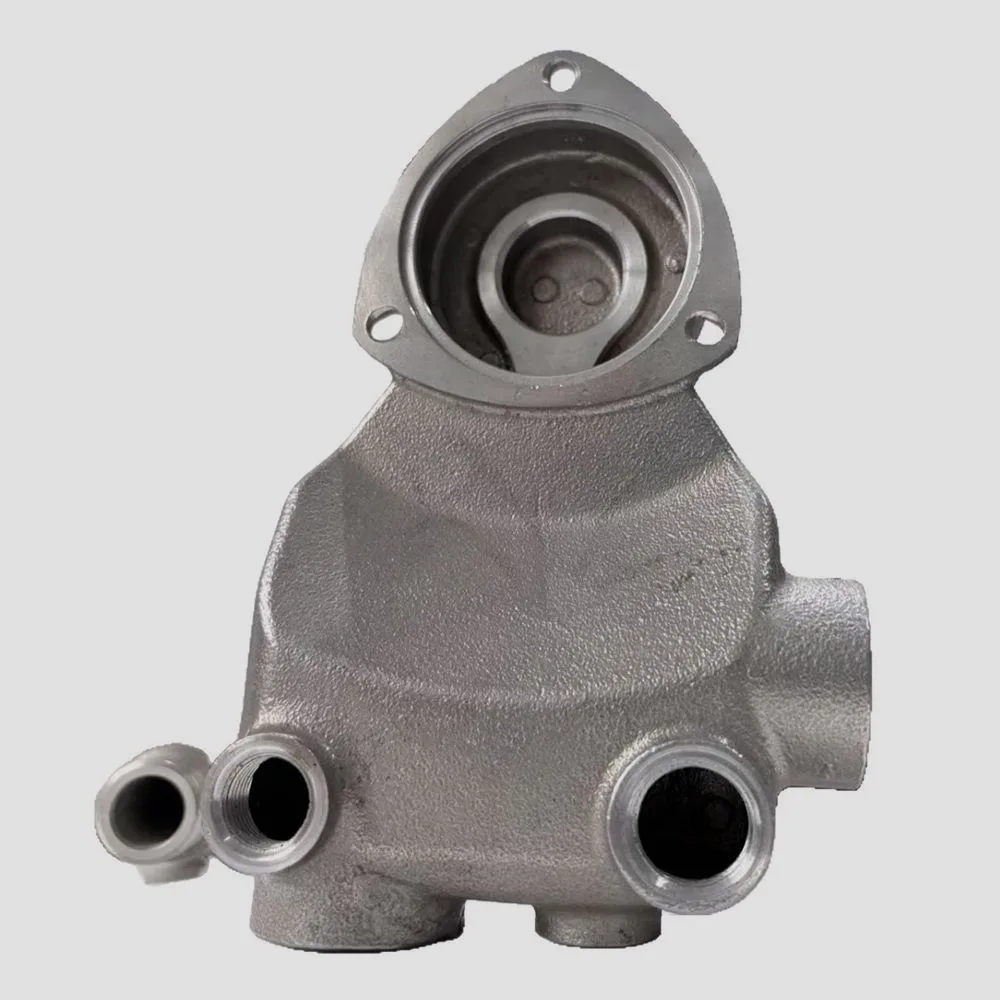
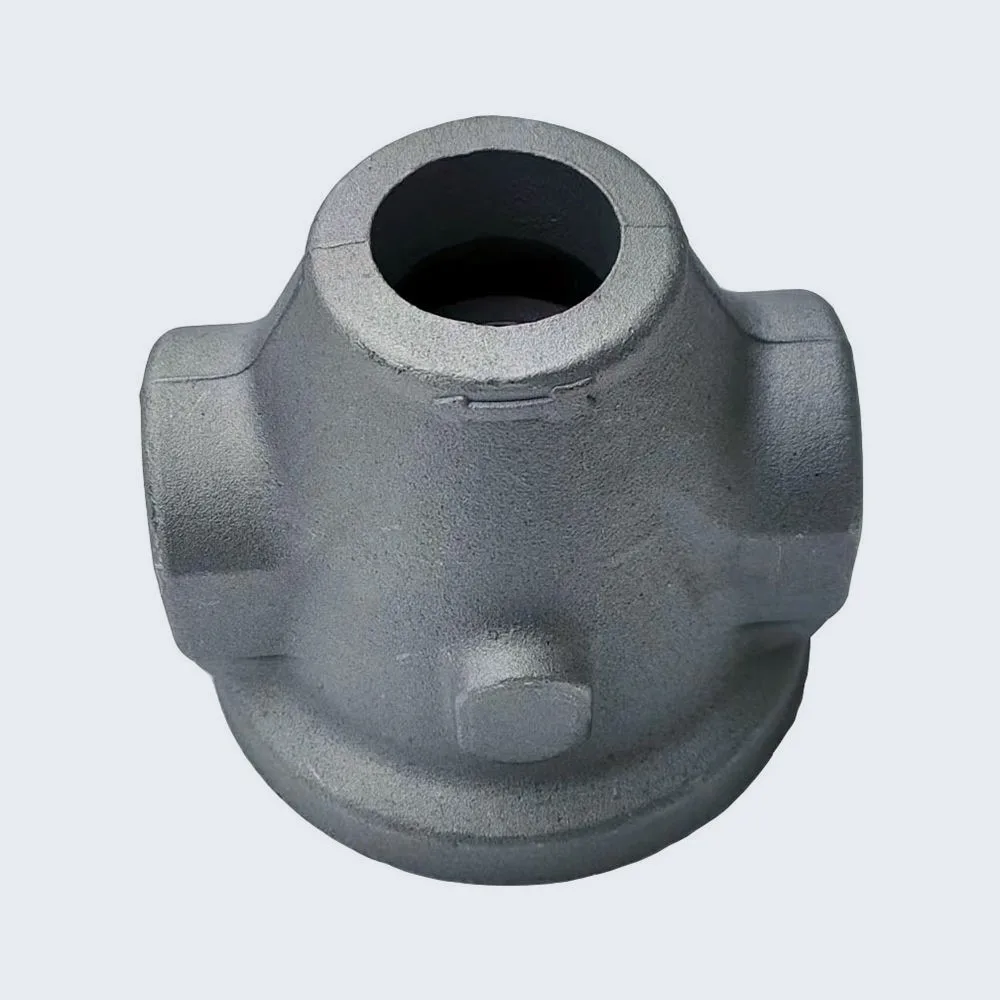

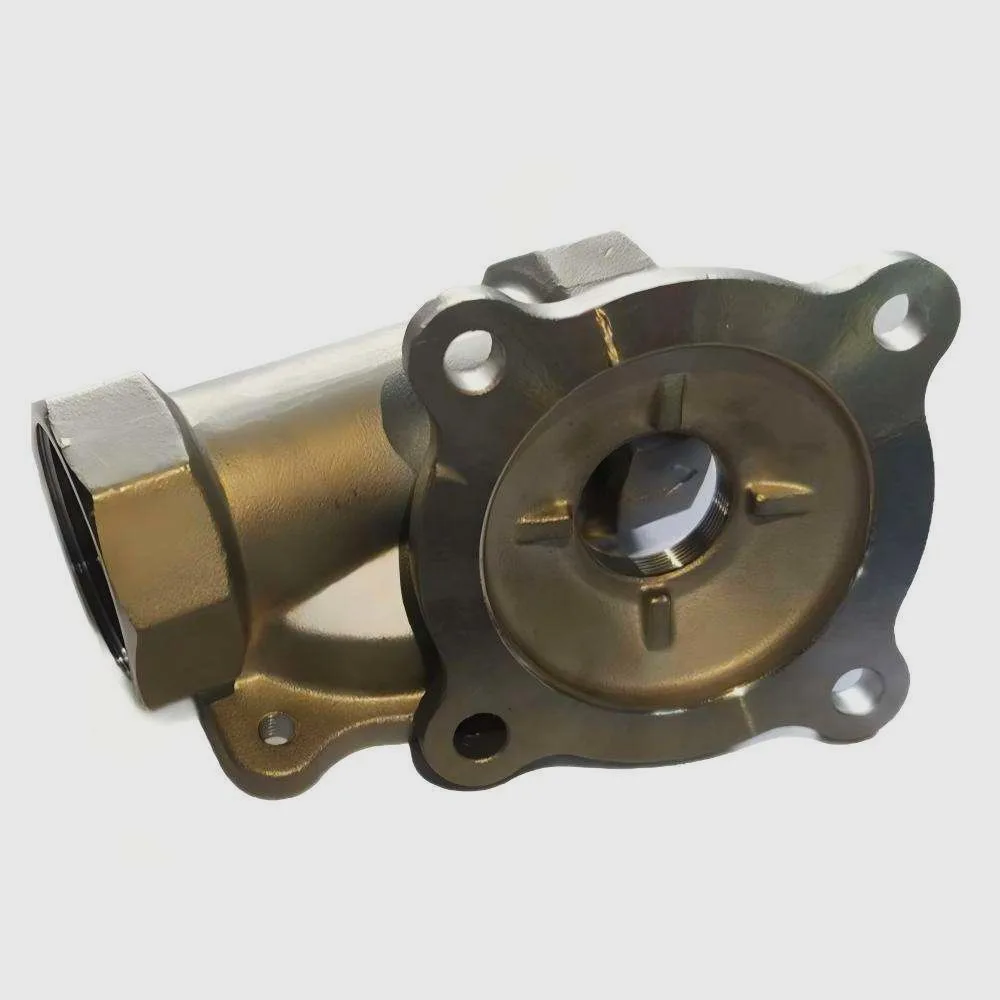
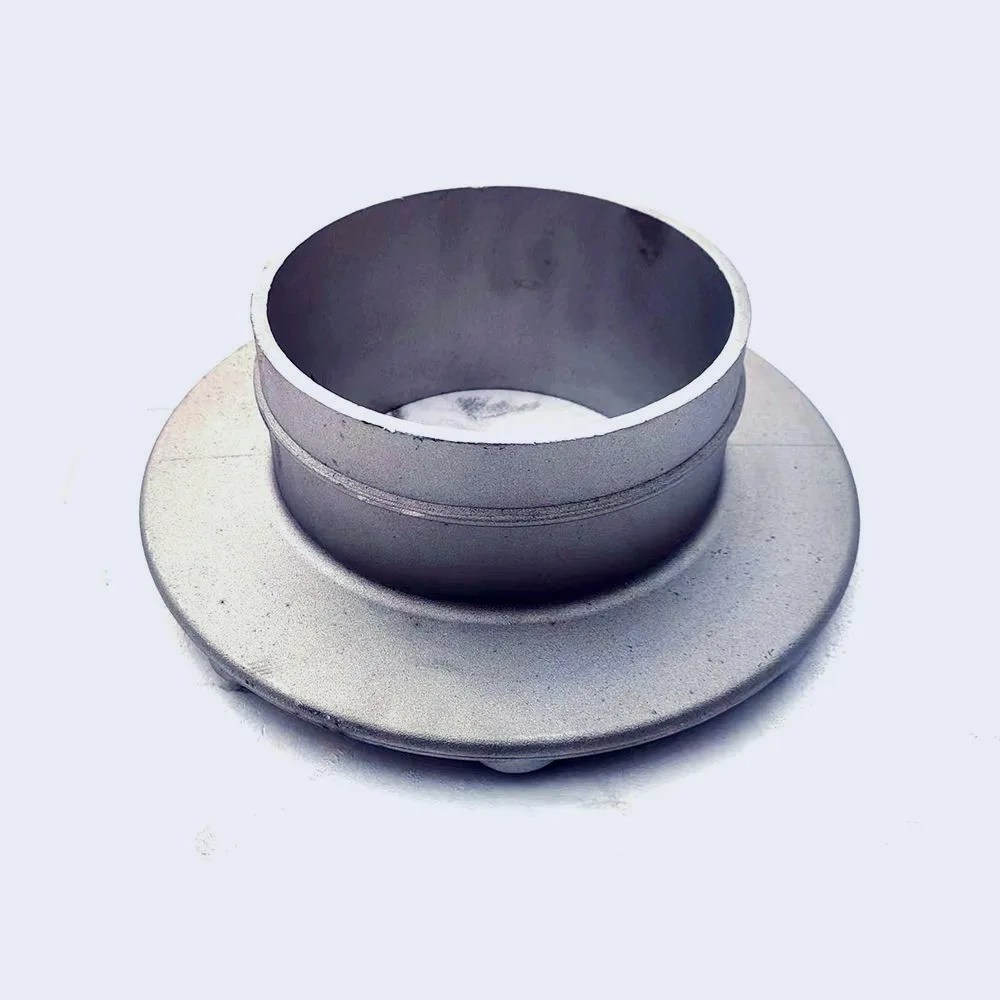
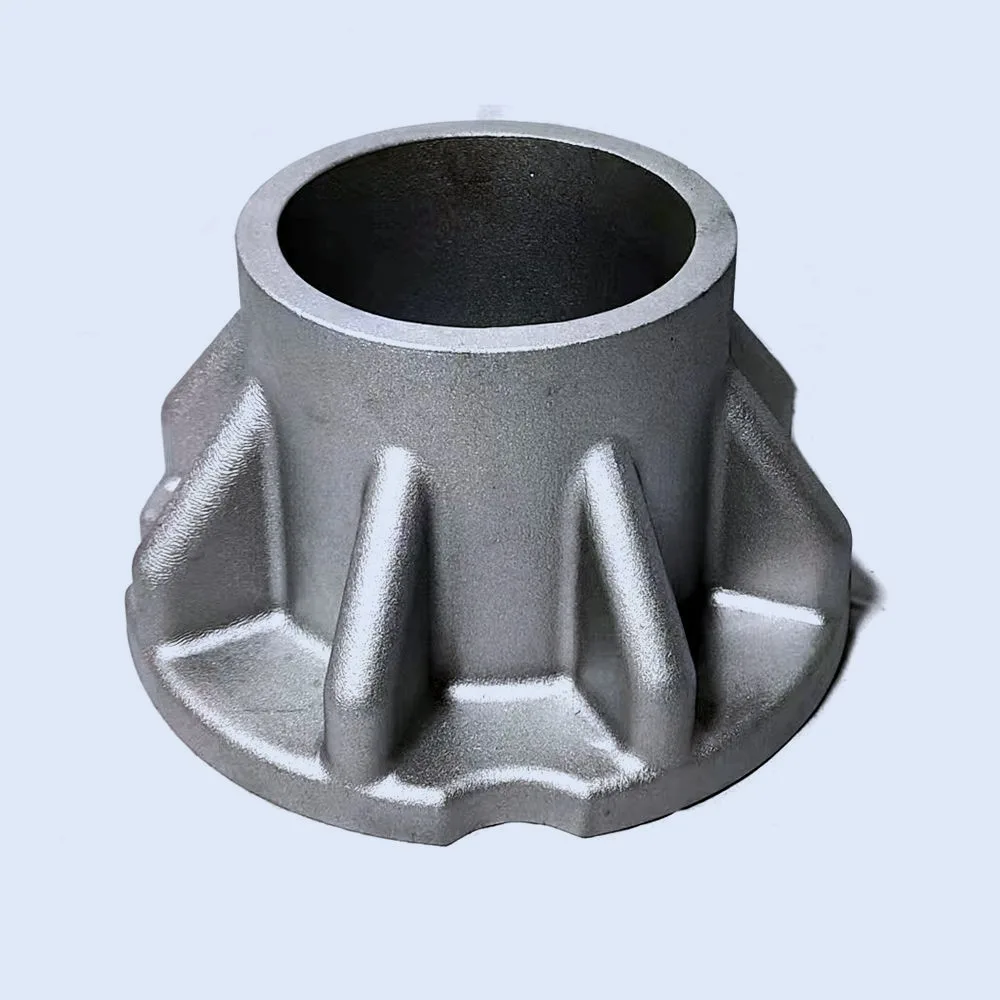
We prepare the casting design from your CAD model, including the pattern, parting line, shrinkage allowance, gating, risers, and required cores.
Custom Sand Casting Services
From shell molding to 3D printed sand casting molds, get custom sand cast metal parts for prototypes and production with machining, finishing, and quality inspection.
- Tolerances ±1-3 mm
- ISO 9001:2015, ISO 13485, ISO 14001:2015, IATF 16949:2016 certified
- Lead time 4–7 weeks


Custom Sand Casting Services We Provide

Primary Molding Process
Shell Molding
Shell molding uses resin-bonded sand formed against a heated metal pattern to create a rigid, relatively thin mold shell. Compared with conventional sand molding, it can provide finer detail, thinner sections, and improved as-cast dimensional control and surface quality.
- Finer Detail
- Thinner Sections
- Improved Dimensional Control
- Better Surface Quality
Specialize Molding Option
3D Printed Sand Casting Molds
3D printed sand casting molds allow complex molds and cores to be produced directly from CAD data without conventional patterns or core boxes. By using 3D printing for sand casting, manufacturers can create intricate internal geometries, shorten design iterations, and support prototypes and low-volume 3D printed sand casting projects.
- Faster Design Iteration
- Complex Geometry
- No Traditional Tooling
- Prototype & Low-Volume Flexibility
Key Manufacturing Capabilities
Review the key manufacturing parameters for our shell molding process, from dimensional capabilities and surface finish to part size and lead time.
| Capability | Description |
|---|---|
| Molding Processes | Shell Molding |
| Specialized Mold Option | 3D Printed Sand Molds and Cores |
| As-Cast Tolerance | CT10–CT13 / ±1–3 mm |
| Minimum Wall Thickness | 5 mm |
| As-Cast Surface Roughness | Ra 12.8–50 μm |
| Maximum Part Size | 2,000 × 1,500 × 300 mm |
| Maximum Casting Weight | 300 kg for iron/steel/copper alloys; 900 kg for aluminum |
| Lead Time | 4–7 weeks |
Sand Cast Parts Gallery
Sand Casting Materials
Sand casting supports a broad range of ferrous and non-ferrous metals, allowing material selection to be matched to mechanical strength, corrosion resistance, weight, temperature exposure, and cost requirements. Common options include aluminum alloys, cast irons, carbon and alloy steels, stainless steels, and copper-based alloys.
Stainless Steel
Sand-cast stainless steel is suitable for components requiring corrosion resistance, durability, and mechanical strength in demanding environments. Mold filling, shrinkage, and heat treatment requirements are evaluated according to the selected alloy and part geometry.
| Color: | Silver grey |
Carbon Steel
Suitable for cast components requiring higher strength, toughness, or performance under mechanical loading.
| Color: | Silver gray |
Aluminium
Sand cast aluminum is lightweight, corrosion resistant, and easy to machine, making it suitable for components that require a favorable strength-to-weight balance.
| Color: | Silver |
Copper
Copper provides excellent electrical and thermal conductivity together with good ductility. It is widely used for electrical components, terminals, shielding parts, heat-transfer parts, and other conductive sheet metal components.
| Color: | Red-orange |
Cast Iron
Available in grades such as gray and ductile iron for components requiring wear resistance, vibration damping, stiffness, or structural strength.
| Color: | gray |
Sand Casting Production Workflow
Our sand casting process moves from pattern design and mold preparation through pouring, cleaning, and secondary machining to produce finished metal components.
01
Casting Design Review
02
Mold Preparation
Sand is formed around the pattern to create the mold cavity. Cores are added to produce internal holes, passages, or enclosed features.
03
Controlled Metal Pouring
The selected alloy is melted and poured into the assembled sand mold under controlled casting conditions to ensure proper mold filling.
04
Casting Solidification
After the metal solidifies, the sand mold is broken away and the casting is removed for further processing. It can proceed to the next step.
05
Casting Cleanup
Gates, runners, risers, and residual sand are removed, followed by grinding or blasting to prepare the raw casting for the next step.
06
Precision Machining
Critical holes, threads, mating surfaces, and tight-tolerance features can be CNC machined after casting to meet final part requirements.
Explore Sand Casting Workshop
Explore the equipment, production stages, and coordinated operations behind our sand casting factory. From pattern and mold preparation to metal pouring, shakeout, cleaning, and secondary machining, each production stage is coordinated to support repeatable casting quality and efficient part delivery.
- Advanced equipments
- Professional tooling capabilities
- Manufacturing and inspection facilities
- From prototype to volume manufacturing
Value-Added Services
Move beyond the raw casting with secondary operations that improve dimensional accuracy, mechanical performance, appearance, corrosion resistance, or surface condition.

01
CNC Machining
Achieve tighter tolerances and precise features on sand cast parts with secondary CNC machining. We can machine critical surfaces, holes, threads, bores, and other features that require greater dimensional accuracy.
02
Heat Treatment
Improve the mechanical properties and dimensional stability of cast components through suitable heat treatment processes. Treatment options can be selected according to the alloy, part requirements, and intended application.
Surface Finishing Services for Sand Cast Parts
Improve the appearance, corrosion resistance, wear performance, or surface condition of sand cast parts with a range of finishing options.

Retains the natural cast surface for parts where appearance and fine surface quality are not primary requirements.
Removes residual sand, scale, and surface contaminants while creating a cleaner and more uniform surface texture.
Enhances corrosion and wear resistance on aluminum castings while providing decorative color options when required.

Adds color and a protective coating to help improve appearance and corrosion resistance for finished cast components.
Polishing
Polishing achieves a high gloss finish, reducing surface roughness and enhancing the aesthetic appeal of metals.
Provides a durable coating with good wear and corrosion resistance for suitable metal castings.
Applications for Sand Casting Components
Sand casting supports a wide range of industrial applications, from complex housings to durable structural components.
- Aerospace: Create lightweight housings, brackets, and structural parts for aerospace applications.
- Automotive: Produce engine housings, manifolds, brackets, and other durable automotive components.
- New Energy: Manufacture durable housings, supports, and equipment components for energy systems.
- Consumer Goods: Produce functional metal housings, cookware parts, and other durable consumer components.

Sand Cast Parts, Made Right
Quality control begins before production with a review of your CAD files, material, casting geometry, machining allowances, and critical requirements.
Key stages—from mold preparation and pouring to cleaning, machining, and finishing—follow the approved specifications. Parts are then inspected for dimensional accuracy, material conformity, surface condition, and critical features before delivery.
Supported by 30+ quality engineers, we help maintain clear inspection standards from initial review through final release.
- DFM and inspection support
- 20+ inspection equipment
- 30+ quality engineers
- ISO 9001:2015, ISO 13485, ISO 14001, and IATF 16949
Why Choose Yongshuo Among Sand Casting Manufacturers
/01
High Quality
Parts
Parts
Receive sand cast components produced through a controlled workflow covering mold preparation, casting, machining, and final inspection. Key dimensions, materials, and acceptance requirements are confirmed before production.
/02
Fast Lead
Time
Time
Coordinated casting, machining, and finishing help maintain a typical lead time of 4–7 weeks. Final schedules depend on part geometry, tooling, material, quantity, and secondary operations.
/03
Engineering
Support
Support
Our engineers review casting geometry, material selection, shrinkage, machining allowances, cores, and critical features. Early DFM support helps reduce manufacturing risks and unnecessary machining.
How to Get an Instant Quote for Sand Casting

Upload a CAD File
Start by choosing your preferred manufacturing process, then upload your design file.
Get a Quote
Next, configure project details like material, finishing option, and quantity, receive an accurate quote and DFM feedback, then place your order.
Parts Delivered!
Once production is complete and your parts pass quality inspections, they are shipped to you.

Instant Quoting with Yongshuo
Need sand cast parts fast? Yongshuo’s online quoting system makes it easy to select materials, finishes, and specifications in a few clicks. Submit your design and order 24/7 to get precise stamped parts when you need them.
Yongshuo FAQs
Find quick answers about manufacturability, lead times, materials, finishes, quality documentation, and compliance. Need more support? Start a quote or explore our Help Center.
Shell molding is our primary sand casting process. It uses resin-bonded sand formed against heated metal tooling to provide finer details, improved surface quality, and more consistent as-cast dimensions.
3D printed sand molds are suitable for complex internal geometries, rapid design validation, prototypes, and low-volume projects where conventional tooling is impractical. Because production costs are generally higher, each project requires engineering review.
Choosing between die casting and sand casting usually depends on part size, material, tooling investment, tolerance requirements, and production volume. Sand casting is often suitable for larger or more complex parts and lower-volume projects, while die casting generally favors higher-volume production. Investment casting is better suited to smaller components requiring finer details and tighter as-cast tolerances.
Part size and weight, alloy selection, mold complexity, cores, tooling requirements, production quantity, and secondary machining are the main cost drivers. Simplifying the casting geometry and limiting precision machining to critical features can help reduce total part cost.
Features with tight tolerances, sealing surfaces, bearing fits, threads, or precise mating requirements are usually better finished by CNC machining. Less critical geometry can often remain as-cast to reduce machining time and overall cost.
Yes. On request, we can provide mill test certificates. Dimensional inspection data, CMM reports, and FAI documentation can also be included for critical applications.
Provide your 3D CAD file and drawing along with the material, quantity, critical tolerances, machining requirements, and desired surface finish. Identifying critical features early helps us evaluate the casting and secondary processes more accurately.
Our Latest Resources

3D Printing Supports Guide: Types, Design Tips, and Costs
October 19, 2026
CO2 vs Fiber Laser: Which Cuts Your Metal Better?
October 16, 2026
Try Yongshuo
now, for free
now, for free